A University of Virginia economist warns that if Virginia’s unemployment rate keeps rising it could strain state resources.
New figures released Wednesday show that unemployment in different parts of Virginia is on the rise.
The percentage of Virginians without a job rose in June in nine Virginia metropolitan areas tracked by the US Bureau of Labor Statistics (BLS). These include the Blacksburg-Christiansburg-Radford metropolitan area’s 5.5% unemployment rate, up from 3.8% in May, and Lynchburg’s 4.2% unemployment rate.
Unemployment also rose across areas that include Northern Virginia localities. The unemployment rate in the metropolitan division that includes Arlington, Alexandria, and Reston reached 3.6% in June, up from 3.3% in May, the BLS said.
Eric Scorsone, an economist and executive director of the University of Virginia’s Weldon Cooper Center for Public Service, told Dogwood that the biggest factors still weighing on Virginia’s economy are the Trump administration’s cuts to the federal workforce and government spending.
“That obviously impacts certain parts of Virginia more than others,” Scorsone said. “Although there are federal jobs in most parts of Virginia, clearly it’s hit Northern Virginia the hardest, and maybe to some extent, Hampton Roads.”
The unemployment rate for the Virginia Beach-Chesapeake-Norfolk metro area rose to 4% in June, up from 3.4% in January, when President Donald Trump took office. Statewide, the seasonally adjusted unemployment rate reached 3.5% in June, up from 3% in January.
The Weldon Cooper Center estimates that about 11,100 federal civilian jobs have been cut in Virginia and another 10,500 are at risk. Scorsone said figuring out the full scope of the cuts has been a challenge.
“The federal government’s not releasing good information, so we have to estimate based on what we can understand from other reporting,” Scorsone said.
Other forces affecting Virginia’s economy are likely Trump’s tariffs, which are expected to push up costs and have created uncertainty for companies weighing whether to make investments, Scorsone said. He added that consumers are likely holding back their spending, as well.
“It’s a combination of things right now, but probably the federal piece is still the biggest impact on Virginia specifically,” Scorsone said. He added that a lot of uncertainty remains, making it difficult to say where the economy is headed in the months to come.
Questions about how bad things could get for Virginia’s economy and the potential strain on state services are weighing on state lawmakers. The General Assembly has formed special committees to monitor the impacts of the Trump administration’s cuts, and lawmakers may have to meet for a special session in September to take action. Of particular concern is how Trump’s massive Medicaid and food assistance cuts will play out across Virginia.
“If [the unemployment rate] continues to go up, that would be a cause for concern, and that’ll strain, potentially, state resources,” Scorsone said.
Even as worry is spreading throughout Virginia, Republican Gov. Glenn Youngkin has supported the Trump administration’s cuts to the federal government. But even Youngkin felt it wise to set aside a $900 million cushion against the risks to Virginia’s economy being created by Trump.
The issue is also playing a major role in the fall elections in Virginia, especially in the governor’s race widely seen as a national bellwether. Democratic nominee and former congresswoman Abigail Spanberger has attacked her Republican opponent, Lt. Gov. Winsome Earle-Sears, for supporting the Trump administration’s cuts and downplaying their impacts on Virginians. Earle-Sears was later caught on tape admitting that Trump’s cuts have hurt her campaign, but she has yet to publicly criticize them.
Liam Watson, a Blacksburg town council member, told Dogwood that he was not at all surprised by the Blacksburg area’s higher unemployment rate given what’s been coming out of Washington since January.
“The things that the Trump administration and Republicans in Congress have been targeting are things that kind of go after the core of what supports Appalachia and what supports the Blacksburg, Christiansburg, Radford metro area,” Watson said.
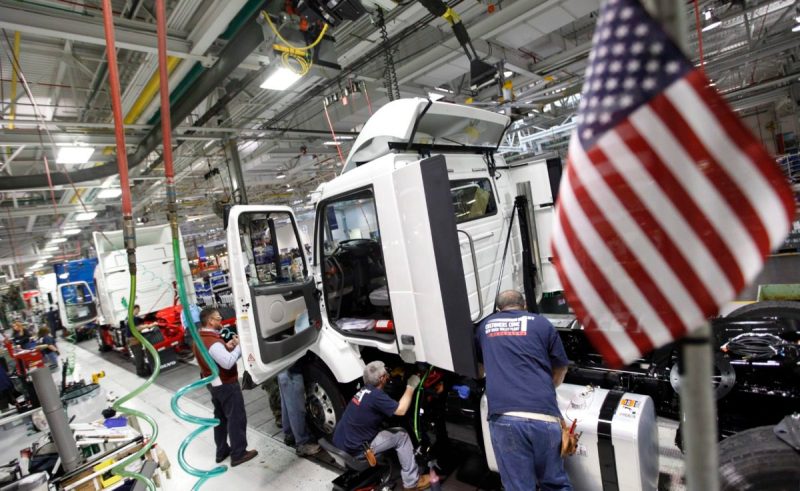
Watson said attacks on that core include cuts to grant funding for Virginia Tech, the undermining of rural hospital infrastructure, and the gutting of public media. He also noted the recent layoffs at Volvo operations in the area.
“You’ve kind of got this sort of sense where we’re all holding our breath and waiting for Donald Trump to take out the knife and start cutting again,” Watson said. “I think that’s a feeling, not just here in Blacksburg, here in the New River Valley. I think folks across Appalachia feel that way.”