Have you ever wondered how the West Nile virus might impact you?
With a case of the West Nile virus confirmed along Virginia’s coastal region this summer, we got curious about the virus’ presence in the commonwealth.
To separate myth from fact, we did some digging at trusted sources like the Virginia Department of Health, the Centers for Disease Control and Prevention, and the World Health Organization. Here’s what we found.
Myth: The West Nile virus was of concern in the early 2000s, but is no longer an issue.
Fact: Norfolk confirmed its first West Nile virus case of the season following a test of a specimen collected on July 18.
Myth: People start feeling the effects of the virus shortly after a mosquito bite occurs.
Fact: The majority of people infected by West Nile virus do not show any symptoms.
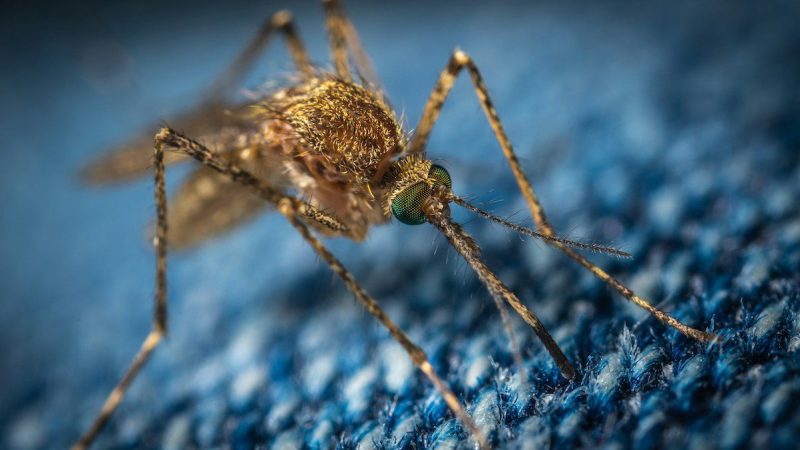
Myth: All mosquitoes carry the virus.
Fact: Mosquitoes become infected when they feed on birds; they spread the illness when biting people and animals.
Myth: Symptoms are always severe.
Fact: The most common symptoms include mild fever, headache, body aches, vomiting, or diarrhea; serious illness is rare.